


Welcome to our comprehensive guide on selling a house, where we demystify the intricate process of parting ways with your beloved home. Selling a property can be a significant undertaking, requiring careful planning, market knowledge, and a strategic approach. In this blog, we will walk you through each step of the journey, offering valuable insights and expert advice to help you navigate the intricate world of real estate.
From setting the right price to staging your home for maximum appeal, from marketing strategies to negotiating offers, we've got you covered. Whether you're a first-time seller or a seasoned homeowner, this guide will equip you with the knowledge and tools to achieve a successful sale while maximizing your investment.
Signs It May Be Time To Sell Your Home: The Complete Process For Selling a House - How to Sell Your Home
They say that home is where the heart is, but every now and then, it may be time to say goodbye to the place that holds a special place in your heart. With the hot real estate market, you may wonder if this is the time to sell your home. Have you been making renovations and updates but not seeing any return on your investments? Or perhaps your family’s home space needs have changed, and your current place isn't cutting it anymore.
Your once attractive neighborhood may have lost its charm, and the schools or places of employment you want to be closer to are now too far away. Whatever the reason, it's vital to know the signs that it's time to move on. Don't let the emotional ties of your home keep you from making a sound financial decision – it may be time to start packing up and start a new chapter in your life.

10 Steps For Selling Your Home - Ultimate Guide and Complete Process
#1 Understand Your Current Home Finances
Understanding your current home finances is crucial when selling your home for several reasons. Firstly, it allows you to accurately determine the selling price. By assessing your mortgage balance, outstanding loans, and any liens or encumbrances, you can calculate the equity you have in the property. This knowledge helps you set a competitive and realistic asking price, maximizing your chances of attracting potential buyers.
Additionally, understanding your finances enables you to prepare for closing costs, such as real estate agent fees, legal fees, and potential prepayment penalties. By accounting for these expenses in advance, you can avoid unexpected financial burdens and make informed decisions throughout the selling process.
#2 Find A Realtor Who Understands The Homes and Market In Your Area - How to Sell Your Home.
Locking down a reputable realtor is essential for a successful home sale, as they are experienced in the local market and equipped with the knowledge to guide you throughout the process. Researching agents who understand the homes and market in your area ensures that you have an ally who understands your needs and can provide invaluable advice.
Look for agents who specialize in the type of property you are selling, such as luxury homes or condos. Read reviews to get an insight into the quality of service provided, and interview at least three agents before making a decision. The right realtor will be experienced in pricing strategies, marketing plans, negotiation tactics, and all other aspects of the sale process, so don't rush the selection.

#3 Selling Your House: Price Your Home Appropriately
Pricing your home correctly is key to selling it quickly and for top dollar. Make sure you attract buyers in the right market – if the price is too high, only a few buyers who have the budget will be interested; but if it's too low, potential buyers may think something is wrong with the property.
To determine the right price for your house, research similar properties that have recently sold in your area. Consider factors like location, size, condition, amenities, and upgrades to help you accurately assess the value of your home. While it may be tempting to set a higher price to make more money from the sale, this could cost you buyers who decide not to even bother making an offer.
It is also essential to be flexible with your pricing – allow yourself some wiggle room when negotiating offers, as this may allow you to close the deal at a higher price.
#4 Decide Whether You Are Going To Buy Your New Home Before Or After Selling
When deciding whether to purchase your new home before or after selling, it is important to weigh the pros and cons of each option. Buying a new home before listing your current one may give you more negotiating power when selecting a property, as you can move in quickly once the sale is completed. However, this strategy requires extensive financial planning, as you will need to take out a bridge loan or have enough money saved up for the down payment.
On the other hand, selling before buying can ease some of the financial stress and give you more freedom to negotiate on price. It also allows you to use your current home equity as a down payment on your new home. That said, this strategy may limit your options if you cannot find a new home before closing on the sale of your current one. Therefore, it is critical to consider all potential risks and rewards before making a decision.

#5 Prepare Your Home To Sell
The home preparation step can oftentimes make or break a home sale. Prospective buyers are likely to be put off by signs of disrepair, so invest time and money into improving the condition of your property before listing it.
To maximize the appeal of your home consider the following preparations:
- Clean and declutter your home
- Make any necessary repairs
- Paint walls in neutral colors
- De-personalize the interior
- Deep clean carpets and upholstery
- Stage your home to showcase its best features
- Create an inviting curb appeal with landscaping
#6 List And Market Your Home
Once you have reached the listing stage, it is time to market your home to potential buyers. Your real estate agent will likely utilize multiple methods of advertising such as yard signs, online listings, and open houses. In addition, they may also leverage their connections in the industry to get your property noticed by qualified buyers.
It is also important to consider how you can use social media to market your home. By creating content and sharing it on platforms like Instagram, Facebook, and Twitter, you can engage with more potential buyers who may be interested in viewing your property.
#7 Host Opening Houses And Viewings
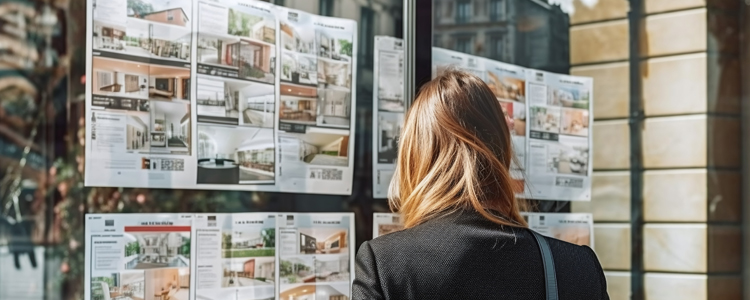
Hosting an open house or viewings are an essential step in the home-selling process. By inviting prospective buyers into your home, you can give them a firsthand look at its features and help them envision themselves living there.
When hosting an open house, make sure that it is well organized and clean to create the best possible impression. Additionally, provide snacks and refreshments to encourage people to stay for longer.
During viewings, it is key to be present but not too intrusive – give the buyer some space to ask questions and look around without feeling rushed or uncomfortable. Making sure that you are quick to respond with answers if any doubts or queries arise during a viewing can assist with making them feel more at ease.

#8 Receive And Negotiate Offers
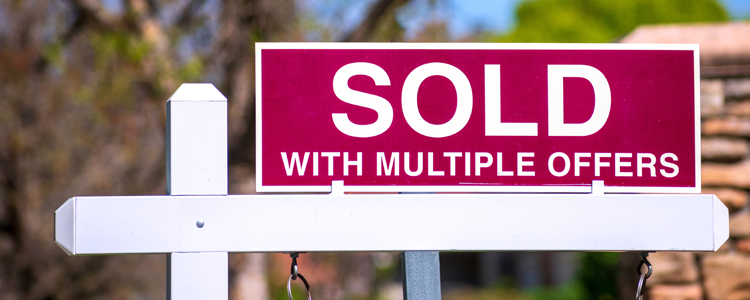
Once you have attracted the attention of potential buyers, offers will likely start to come in for your home. It is important to remember that any offer may be negotiable, so don’t feel pressurized into accepting the first one that comes along. However, if a buyer has made an offer that you are happy with, make sure that you counteroffer promptly and explicitly state what conditions have to be met for the sale to go ahead.
It is also worth noting that any offer may come with contingencies such as inspections or financing approval – these should be considered before making a response to ensure that the deal will progress efficiently and without any complications.
#9 Take Care Of All Legal Formalities
As you near the end of the home selling process, it is vital to ensure that all legal formalities are taken care of. This may include having documents such as Transfer of Title and other forms signed off by you and the buyer for the transfer of ownership to take place.
Some of the other legal documents that may be required during the sale of a home include:
- Purchase Agreement
- Title Insurance Policy
- Mortgage Documents
- Deed of Trust/Mortgage
- Closing Disclosure Form
- Homeowner’s Insurance Documentation
#10 Hand Over The Keys And Celebrate
You made it! After signing all documents and verifying that everything is in order, the keys to your home will be handed over to the buyer – congratulations on a successful sale.
Now it’s time to take some time out and celebrate your accomplishment. You have worked hard throughout this process and deserve recognition for all of your efforts. Celebrate with your friends and family, and if there’s a special treat you have been wanting, now’s the perfect time to indulge yourself!
The home selling process can be stressful but it is also an incredibly rewarding experience. With careful planning and attention to detail, you are sure to be successful in finding the right buyer for your home.
:format(webp):quality(80)/u.realgeeks.media/siliconvalleyrealestateteam/yelp-zillow-reviews-5_start-agent.png)
:format(webp):quality(80)/u.realgeeks.media/siliconvalleyrealestateteam/client-testimonials-reviews.jpg)